


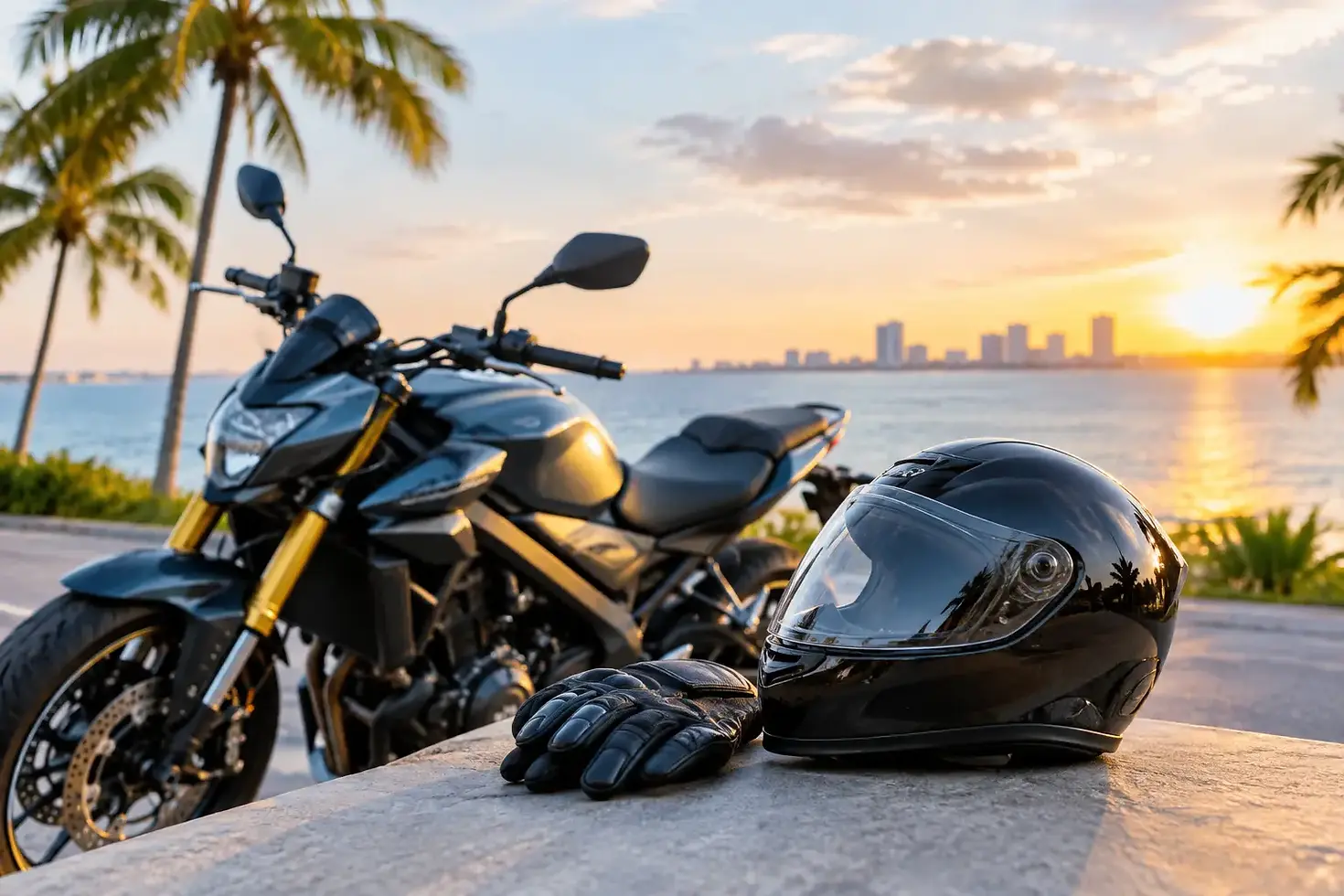
Motorcycle Insurance Guide for Florida Riders

A weekend ride from Tamarac to the coast can change quickly when traffic stops short, afternoon rain moves in, or a driver fails to see a motorcycle beside them. This motorcycle insurance guide Florida riders can use focuses on the decisions that matter most: what the law requires, what a policy can protect, and where a low-priced quote may leave a costly gap.
Motorcycle coverage is not one-size-fits-all. A rider with a paid-off cruiser used on Sundays has different needs than someone commuting daily on a financed sport bike. The right policy starts with the motorcycle, how and where it is ridden, and the financial risk a household can reasonably take on after an accident.
Florida Motorcycle Insurance Rules Explained
Florida is unusual because riders generally are not required to carry motorcycle insurance simply to register and operate a motorcycle. Motorcycles also are not covered by Florida's standard no-fault Personal Injury Protection, commonly called PIP. That does not mean riding without coverage is risk-free.
If you cause a crash that injures another person and cannot demonstrate financial responsibility, your driver's license and registration may be at risk. You can also be personally responsible for medical bills, lost income, property damage, and legal costs that exceed what you can pay out of pocket. One serious accident can affect far more than the value of the bike.
Helmet rules are another reason to look carefully at medical protection. Riders under age 21 must wear a helmet. Riders age 21 and older may ride without one only if they carry at least $10,000 in medical insurance coverage. That requirement is separate from choosing insurance that can help after a motorcycle crash, so it is wise to confirm what your health plan does and does not cover.
State rules set a minimum legal baseline. They are not a recommendation for how much protection is appropriate for your life, savings, family, or riding habits.
The Coverage Options That Deserve Attention
A strong motorcycle policy usually combines protection for injuries or damage you cause with coverage for your own bike and your own medical needs. Each part answers a different question.
Liability coverage
Liability coverage can help pay for another person's injuries or property damage when you are legally responsible for an accident. It typically includes bodily injury liability and property damage liability.
For many riders, this is the foundation of the policy. Cars are expensive to repair, and injuries can involve emergency care, ongoing treatment, and time away from work. Choosing higher liability limits may raise the premium, but it can provide meaningful protection for your income and personal assets.
When comparing quotes, do not only compare the total price. Check the actual bodily injury and property damage limits. Two policies can look similar until an accident reveals that one has far less coverage available.
Collision and comprehensive coverage
Collision coverage can help repair or replace your motorcycle after a collision, whether you hit another vehicle, a guardrail, or an object in the road. If the motorcycle is financed or leased, the lender will commonly require it.
Comprehensive coverage addresses many losses other than a collision, such as theft, fire, vandalism, falling objects, or storm damage. In South Florida, this can be especially relevant. Heavy rain, wind, flooding, and theft are not remote possibilities for a motorcycle kept outdoors or in an open parking area.
Both coverages usually include a deductible, which is the amount you pay before coverage begins. A higher deductible can lower the premium, but it should be an amount you could manage without creating financial stress after a loss.
Medical payments coverage
Medical payments coverage, often called MedPay, can help with eligible medical expenses for you and, depending on the policy, a passenger injured in a covered accident. It may help with deductibles or expenses that a health plan does not fully pay.
It is not a replacement for health insurance, and policy terms matter. Still, because motorcyclists do not have PIP coverage, MedPay is worth discussing. The right limit depends on your health coverage, household budget, and comfort level with out-of-pocket medical costs.
Uninsured and underinsured motorist coverage
Uninsured motorist coverage can help if another driver causes an accident but has no insurance. Underinsured motorist coverage can help when that driver's liability limits are too low for the injuries involved.
This coverage deserves close attention in Florida. A rider may be doing everything right and still be hit by a driver with little or no insurance. Medical treatment after a motorcycle accident can become expensive quickly, even when the motorcycle itself has limited damage.
Passenger and accessory coverage
If you regularly ride with a passenger, make sure the policy addresses passenger injuries. Do not assume every coverage automatically applies in the same way.
Custom parts, helmets, riding gear, saddlebags, and upgraded equipment also need a closer look. A standard policy may include limited coverage for accessories, while a customized bike may require additional protection. Keep receipts and photos of major upgrades. They make it easier to explain the bike's value if you need to file a claim.
How Much Motorcycle Insurance Is Enough?
The honest answer is that it depends. There is no single limit that fits every Florida rider. A useful starting point is to consider what would happen if you caused a serious injury or totaled a newer vehicle.
Higher liability limits are often worth considering for homeowners, people with savings, parents, and anyone with income that could be affected by a lawsuit. An umbrella policy may also be worth asking about when you need extra liability protection across personal policies. Not every situation calls for it, but it can make sense when a household has more to protect.
For a motorcycle with a low market value, collision and comprehensive may not always be the best fit. Compare the annual premium and deductible with the realistic value of the bike. On the other hand, dropping comprehensive just to save a small amount can be a tough trade if theft or storm damage would leave you unable to replace the motorcycle.
What Affects Your Florida Motorcycle Insurance Price?
Insurance pricing reflects more than the motorcycle's sticker price. Insurers may consider your age, riding experience, driving history, ZIP code, mileage, prior claims, the type of motorcycle, coverage limits, deductibles, and whether the bike is stored securely.
A powerful sport bike may cost more to insure than a smaller standard motorcycle because repair costs and claim patterns can differ. A clean driving record and approved safety course may help in some situations. Bundling personal policies may also create savings, but the value of the coverage should come before the discount.
Be accurate when requesting a quote. Saying a motorcycle is used only for pleasure when it is actually used to commute can create problems later. The same applies to listing every regular rider. Clear information helps produce a policy that reflects real life.
A Simple Way to Compare Quotes
Before choosing a policy, gather the motorcycle's year, make, model, vehicle identification number, estimated annual mileage, and details about any loan or lease. Then compare quotes using the same limits and deductibles. Otherwise, you may be comparing very different policies based only on price.
Ask these practical questions during the conversation: What liability limits are included? Is uninsured or underinsured motorist coverage included or declined? What deductible applies to collision and comprehensive claims? Are accessories and passengers covered? Does the policy offer roadside assistance, transportation expense coverage, or help with a total loss?
Roadside assistance can be useful, but read the details. Towing a motorcycle often requires equipment that differs from standard vehicle towing. The cheapest option is not always the simplest option when you are stranded away from home.
Motorcycle Insurance Guide Florida Riders Can Put to Work
A policy should match the way you actually ride, not just the lowest premium displayed on a screen. Review it after buying a new bike, adding custom equipment, moving, financing the motorcycle, getting married, or making another household change. Those moments can change both your coverage needs and available options.
For riders who prefer a clear conversation in English or Spanish, a local personal insurance specialist can walk through the choices without making the process feel complicated. Andrea Salazar Personal Insurance Specialists can help you review the details that affect a Florida motorcycle quote and ask the right questions before you decide.
The best time to find a coverage gap is before the next ride. Take a few minutes to review your limits, your deductible, and what would happen if an uninsured driver changed your plans in a single intersection.


Comentarios